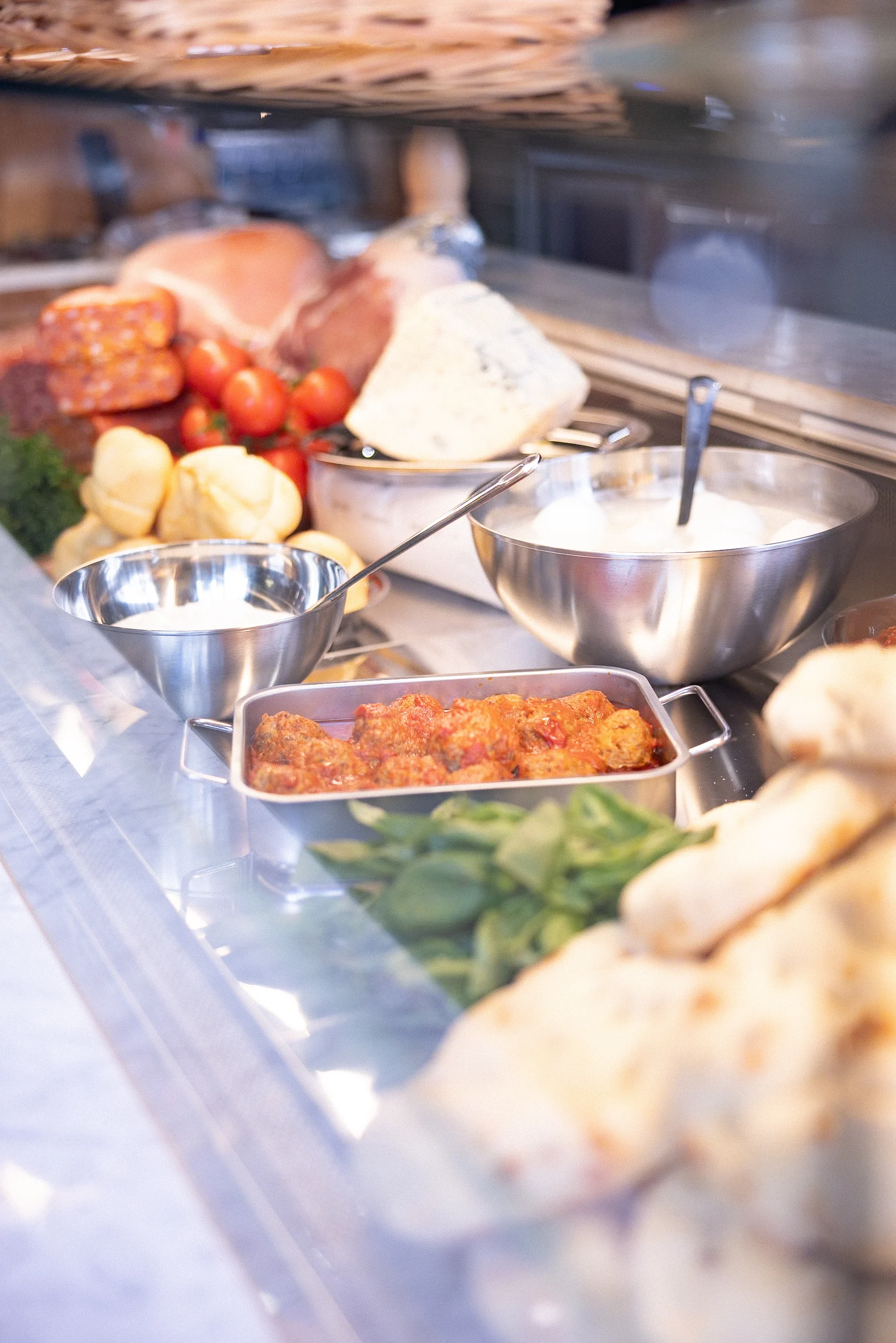
10 Essential Ingredients Found in Every Italian Kitchen
Italian cooking isn't about complicated techniques.
It's about starting with a handful of exceptional ingredients and letting them speak for themselves. Walk into any real Italian kitchen, from a family home in Calabria to a neighbourhood trattoria in Naples, and you'll find the same short list of staples used again and again.
They're not luxuries. They're the foundation of Italian cuisine.
Here are the ten essentials we believe define authentic Italian cooking.
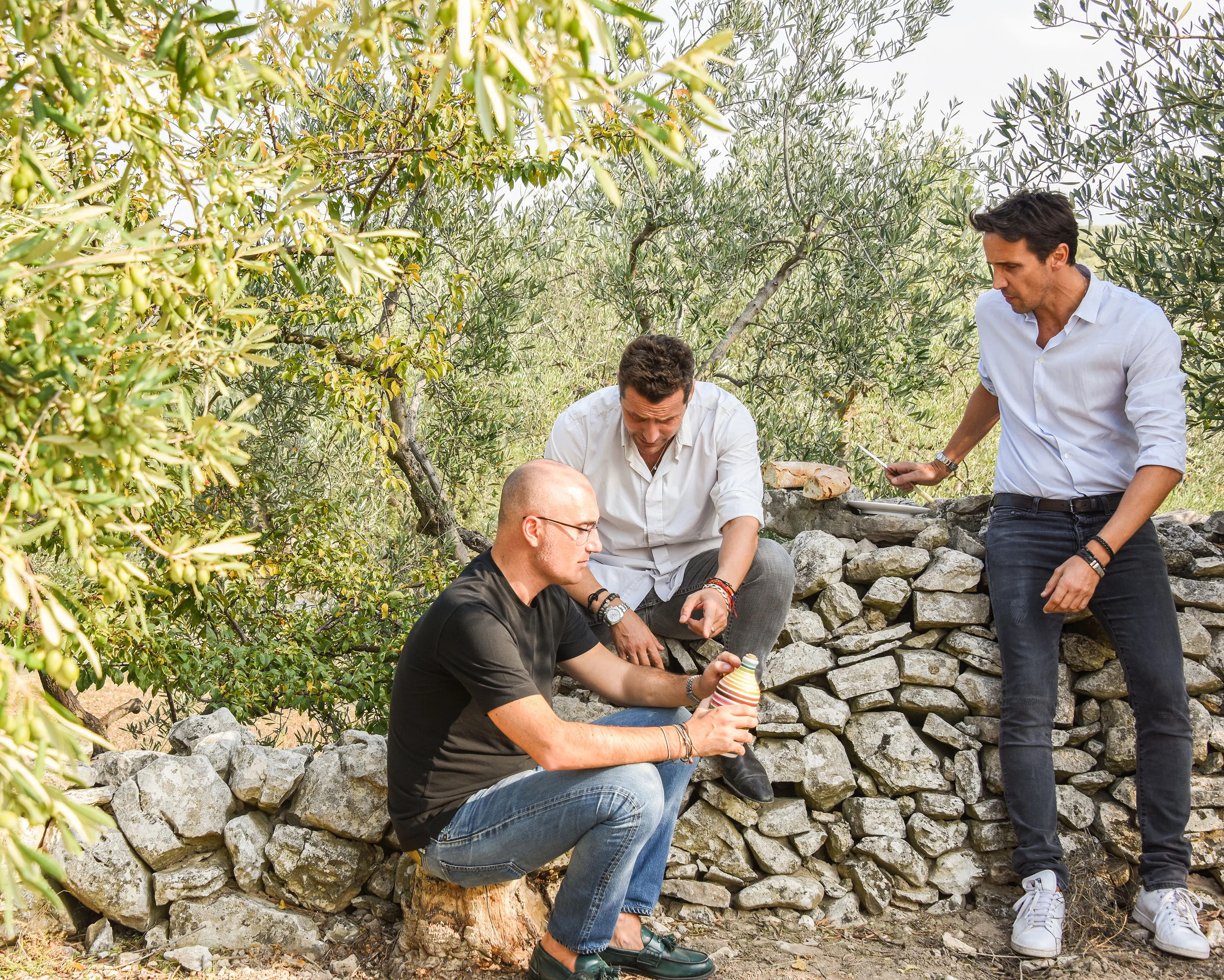
Extra Virgin Olive Oil
It's the starting point of almost every Italian dish.
Extra virgin olive oil is used for cooking, finishing, dressing and dipping, often in the same meal. A good one tastes fruity, grassy and slightly peppery, with a gentle bitterness that signals freshness.
Poured over vegetables, soup, grilled fish or warm bread, it turns the simplest food into something memorable.
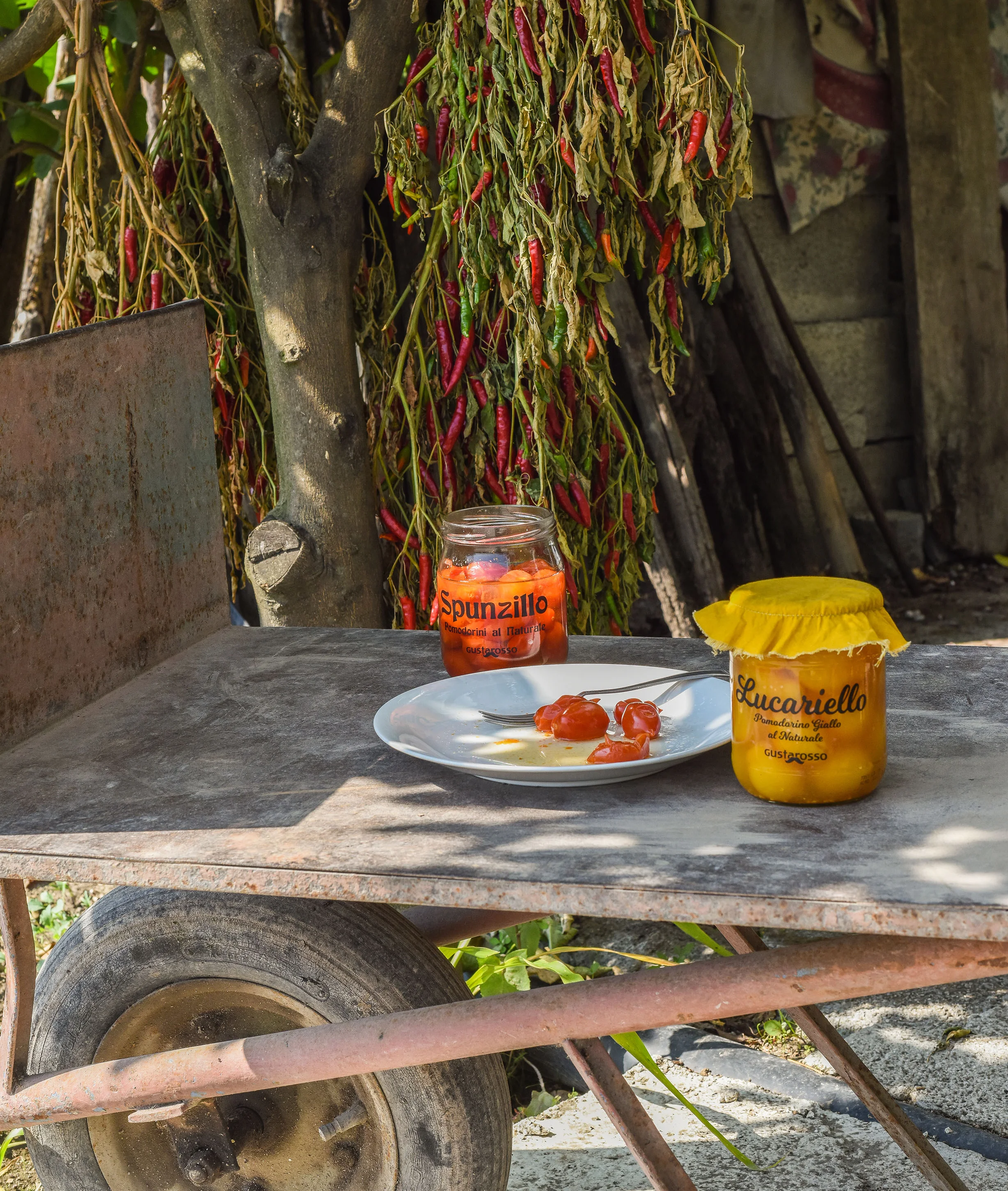
San Marzano Tomatoes
Grown in the volcanic soil near Mount Vesuvius, San Marzano tomatoes are sweeter, less acidic and less watery than most varieties.
That balance makes them ideal for sauces and pizza.
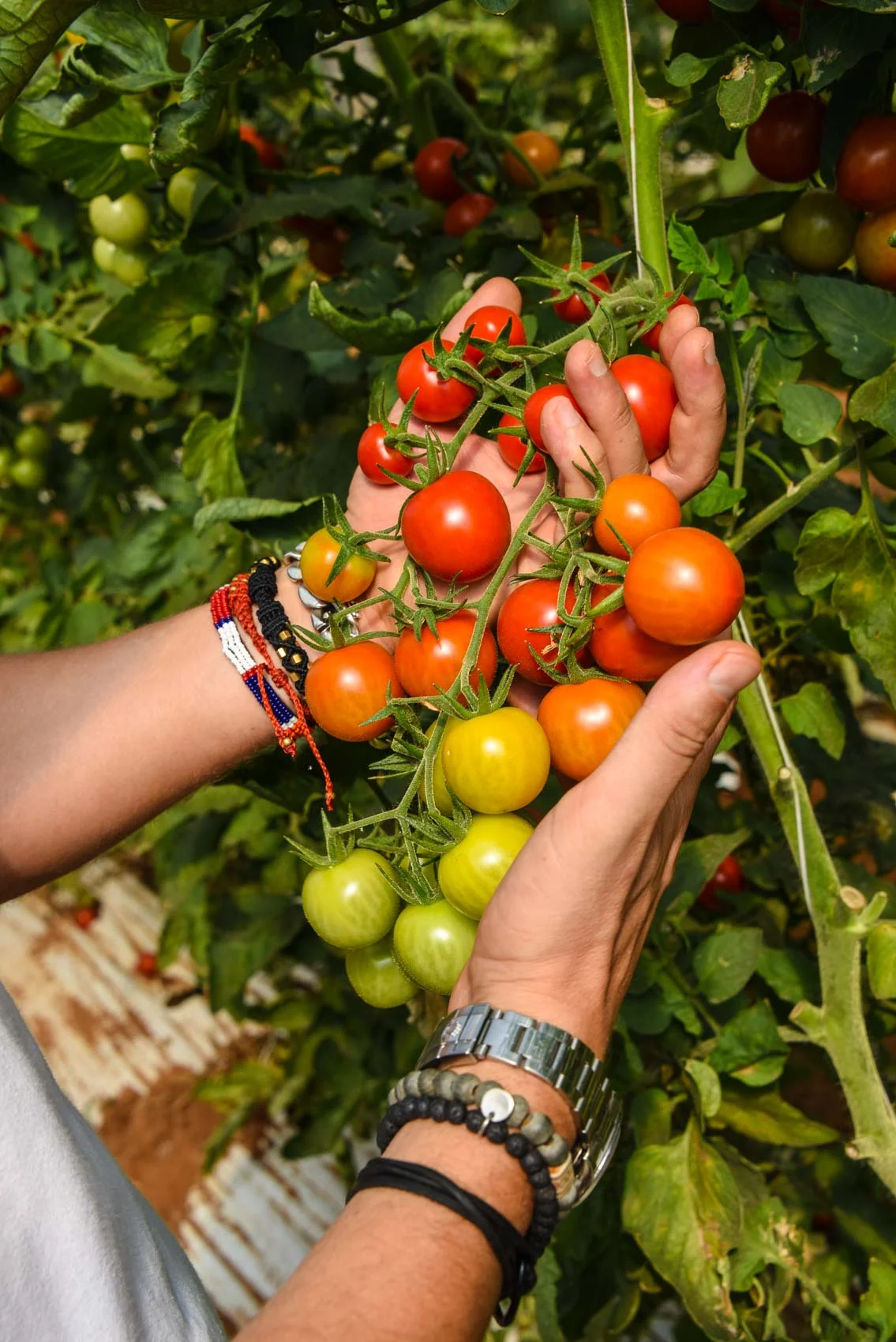
Italians use tomatoes in countless ways: fresh in summer, slowly cooked into sauce, or preserved in jars to enjoy all year round.
In our kitchens, tomato sauce is a cornerstone, from Sicilian recipes to classic pizzas.
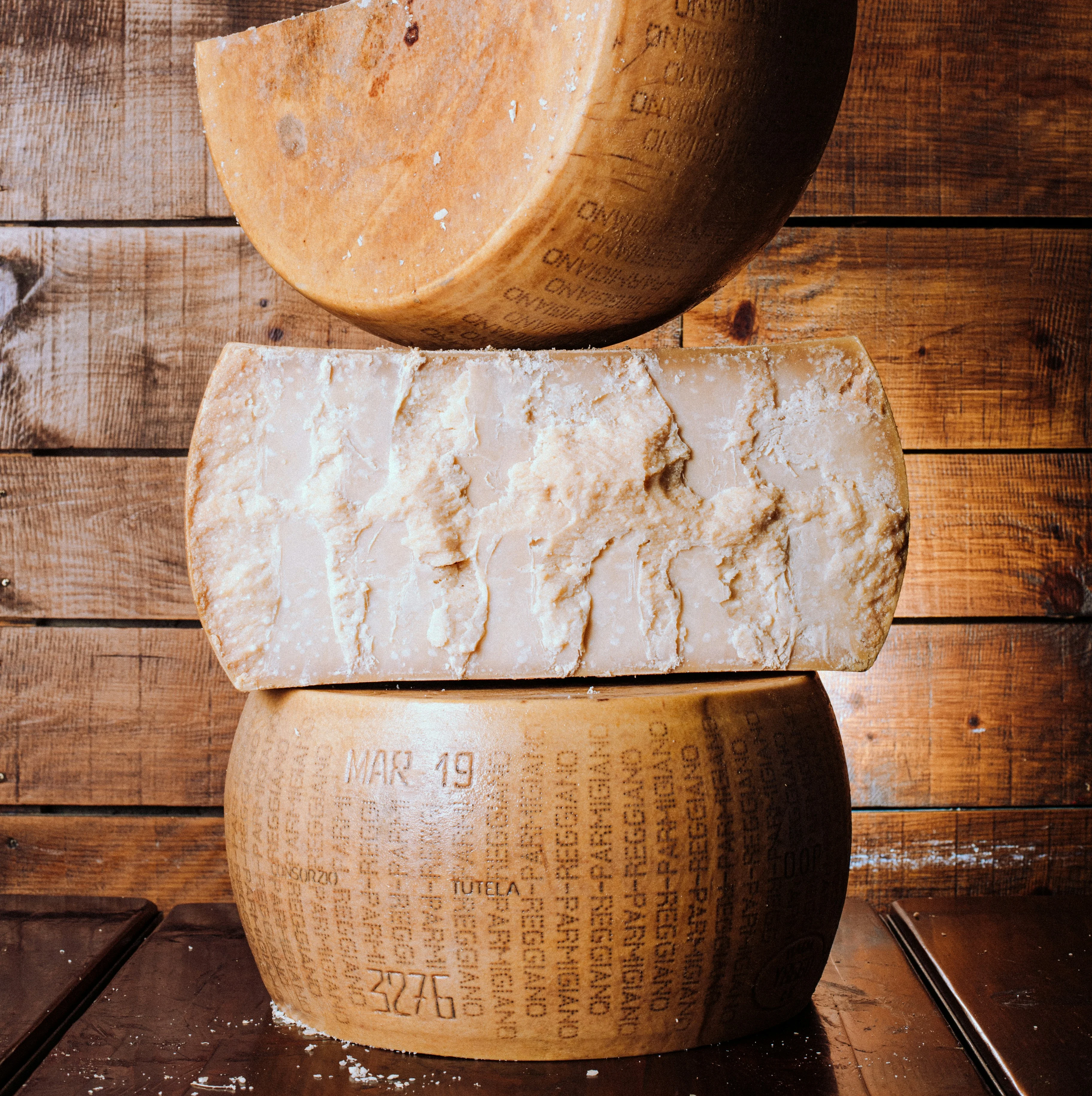
Parmigiano Reggiano DOP
Aged for at least 12 months, and often much longer, Parmigiano Reggiano DOP develops a deep, nutty, savoury flavour and a crystalline texture that pre-grated cheese can't match.
Grate it over pasta, shave it over salads or enjoy a piece on its own.
A little goes a long way.
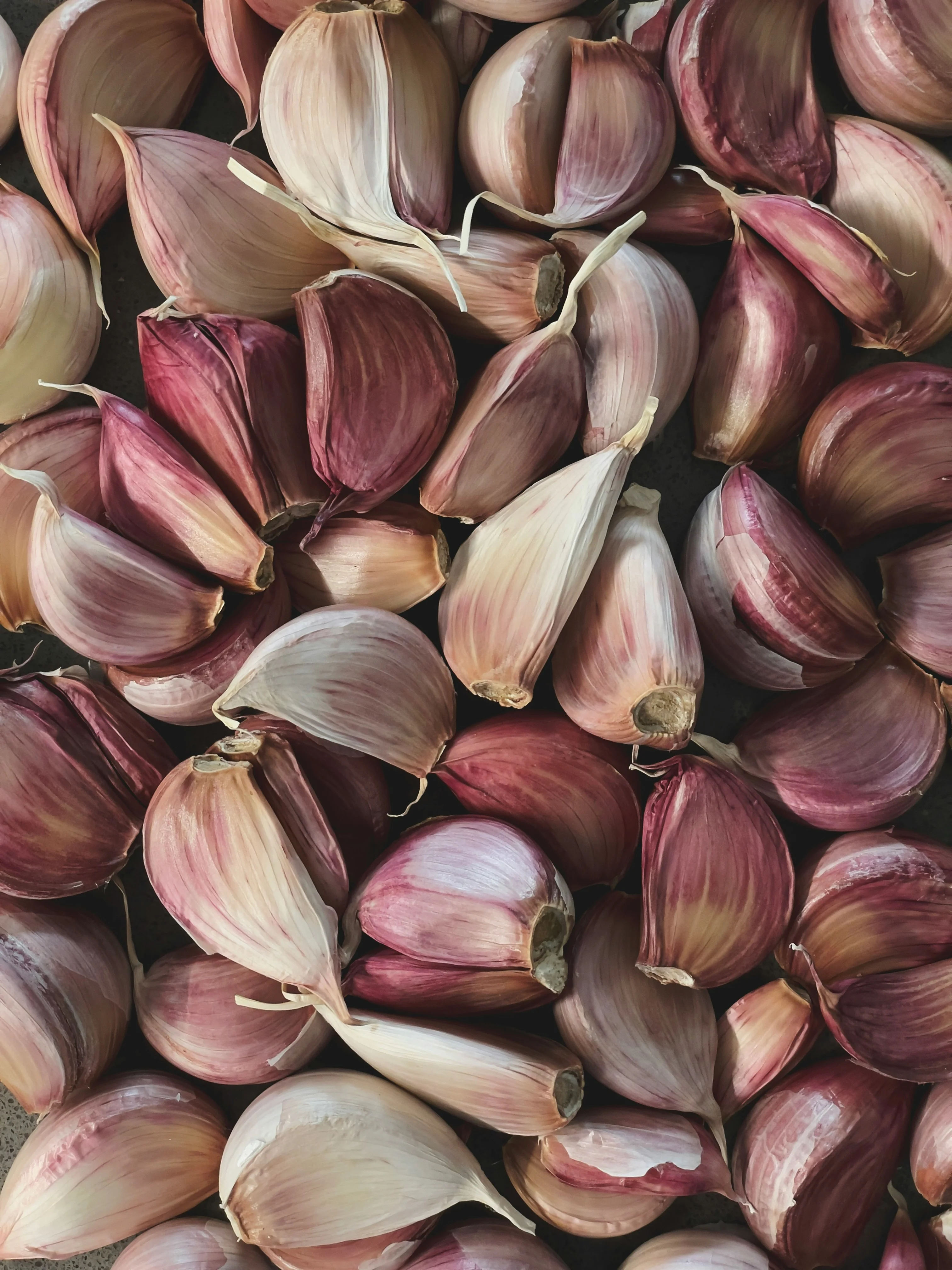
Garlic
Italian cooks use garlic with restraint.
Rather than overpowering a dish, it is meant to perfume it. Often it's gently warmed in olive oil at the start of cooking, then removed or left whole, so its flavour is present but never aggressive.
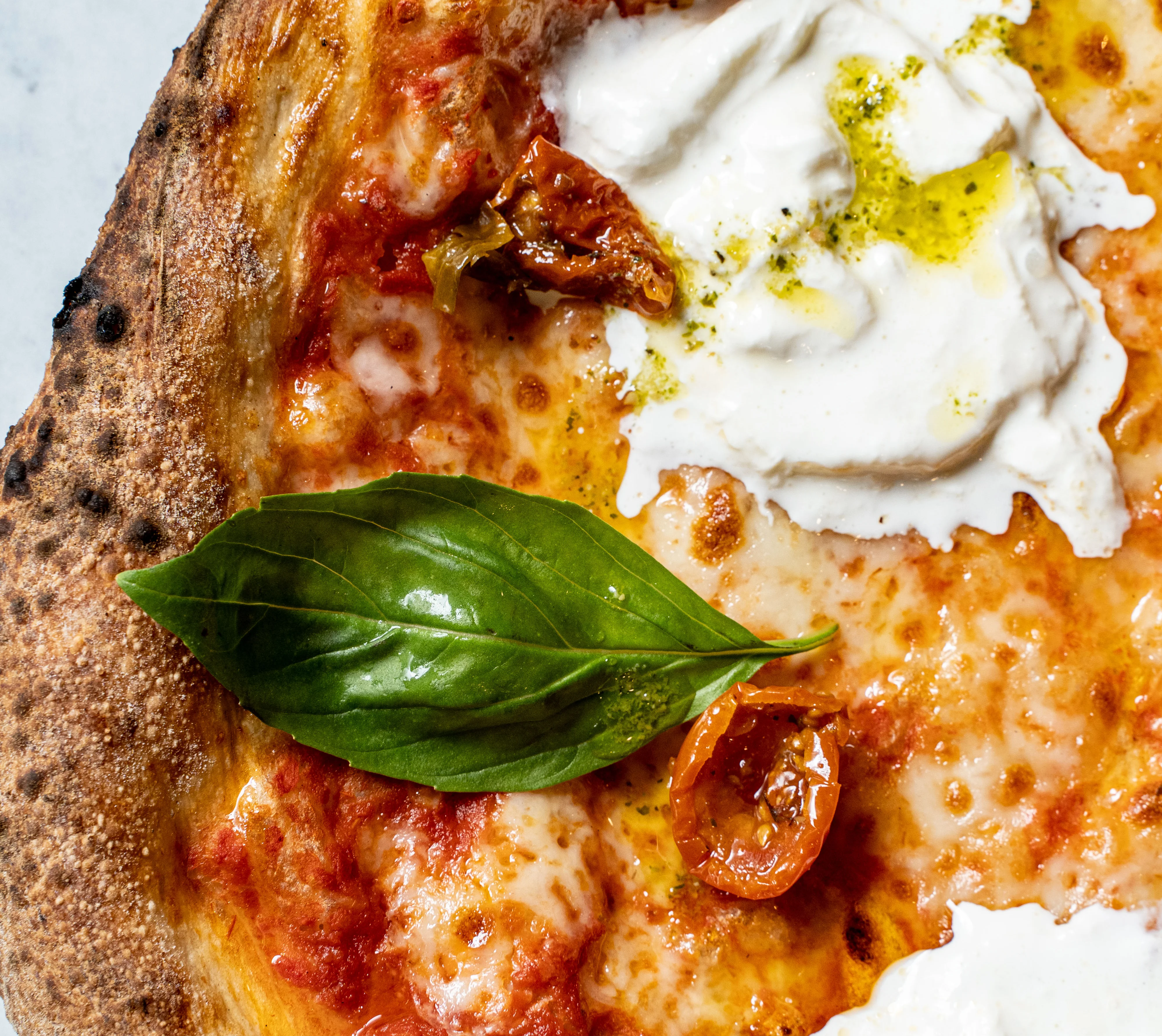
Fresh Basil
Nothing says Italian summer quite like fresh basil.
Torn rather than chopped, and added at the end of cooking to preserve its aroma, it's essential to a classic Margherita pizza, a simple tomato sauce or a vibrant basil pesto.
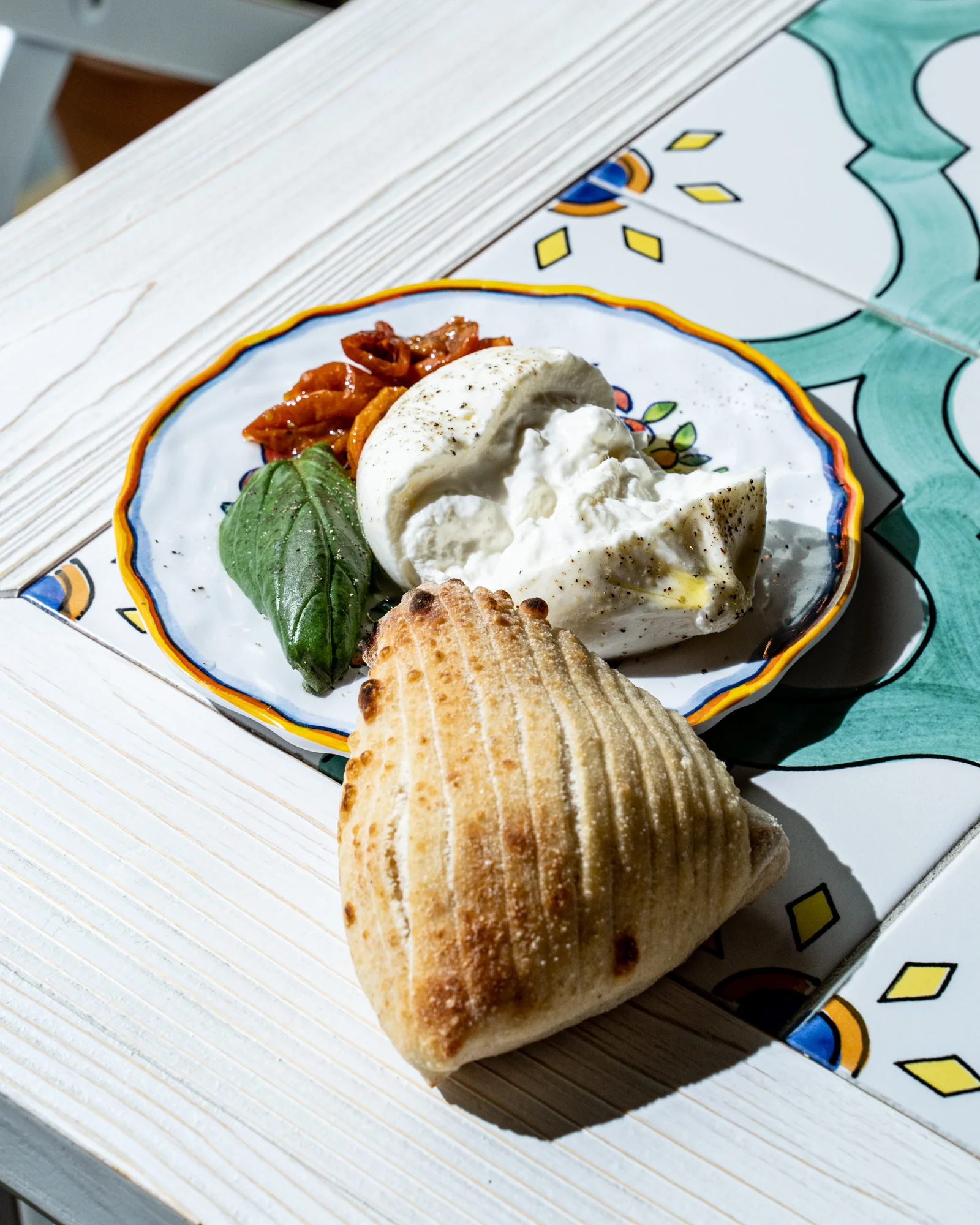
Fresh Mozzarella and Stracciatella
Soft, milky and best eaten fresh, mozzarella and its creamier cousin, stracciatella, can transform a pizza or a salad.
At IT Italian Trattoria, our legendary Margherita is topped with stracciatella from Valcolatte, a cheesemaker from Piacenza. In an upcoming edition of La Gazzetta, we'll introduce them in more detail.
Balsamic Vinegar
True balsamic vinegar, aged in wooden barrels, offers a sweet and tangy depth that brightens everything from simple salads to grilled vegetables and fresh cheeses.
Used sparingly, it's like adding a touch of sunshine.
Anchovies and Capers
Small but mighty, anchovies and capers provide the savoury, briny backbone of many Southern Italian dishes.
Anchovies are often melted into olive oil until they disappear into the sauce, leaving behind a rich depth of flavour. Capers add bright, salty notes.
Peperoncino
Chilli peppers are beloved across Southern Italy, especially in Calabria.
Used with care, peperoncino doesn't simply add heat. It adds character and warmth, and brings a dish into balance. A pinch in a tomato sauce or a few flakes over pizza is often all it takes.
Why Ingredients Matter So Much
Italian cuisine proves that great food doesn't depend on complexity.
When ingredients are exceptional, recipes can be simple. When recipes are simple, flavours shine.
That's the philosophy behind the Italian Mediterranean Lifestyle, and the one that guides us at IT Italian Trattoria.
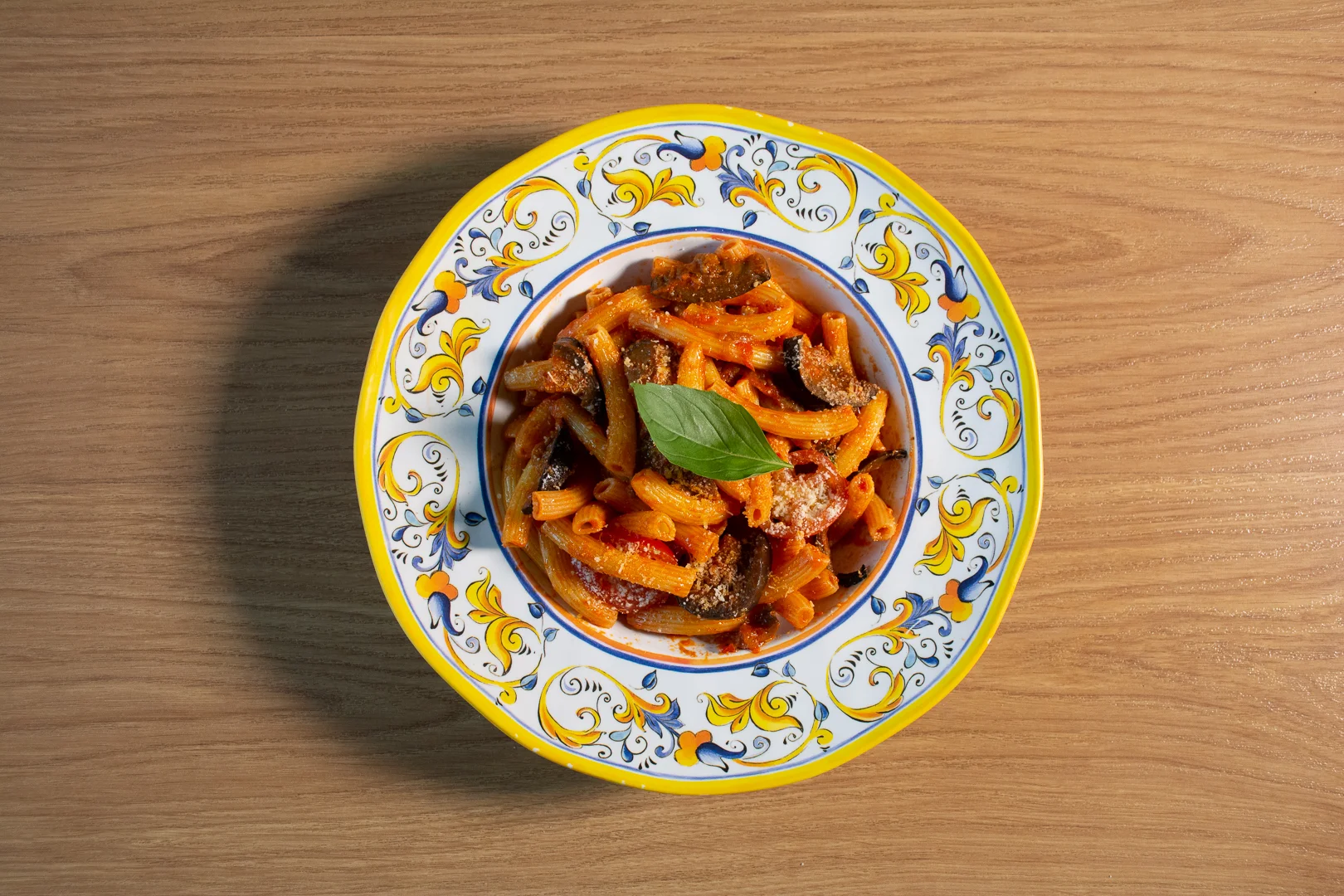
Tasting These Ingredients at IT Italian Trattoria
These essentials are exactly what you'll find at the heart of our menu.
Our Rigatoni alla Siciliana, for example, combines freshly homemade rigatoni with a Sicilian tomato sauce from Agromonte and DOP Parmigiano.
It's a dish where every ingredient has a purpose.
Simple. Authentic. Delicious.
FREQUENTLY ASKED QUESTIONS
What are the most important ingredients in Italian cooking?
Extra virgin olive oil, tomatoes, Parmigiano Reggiano, garlic, basil and good pasta are among the pillars of Italian cuisine.
Why are San Marzano tomatoes special?
They're grown in the volcanic soil near Mount Vesuvius and are known for their sweetness, low acidity and thin skin.
What is the difference between Parmigiano Reggiano and Parmesan?
Parmigiano Reggiano is a protected designation of origin made in specific areas of Italy and aged at least 12 months. "Parmesan" is a generic term that can describe imitations.

